
TJ Holmes: The Memphis Connector Who Turned Passion Into a 20-Year Power Play
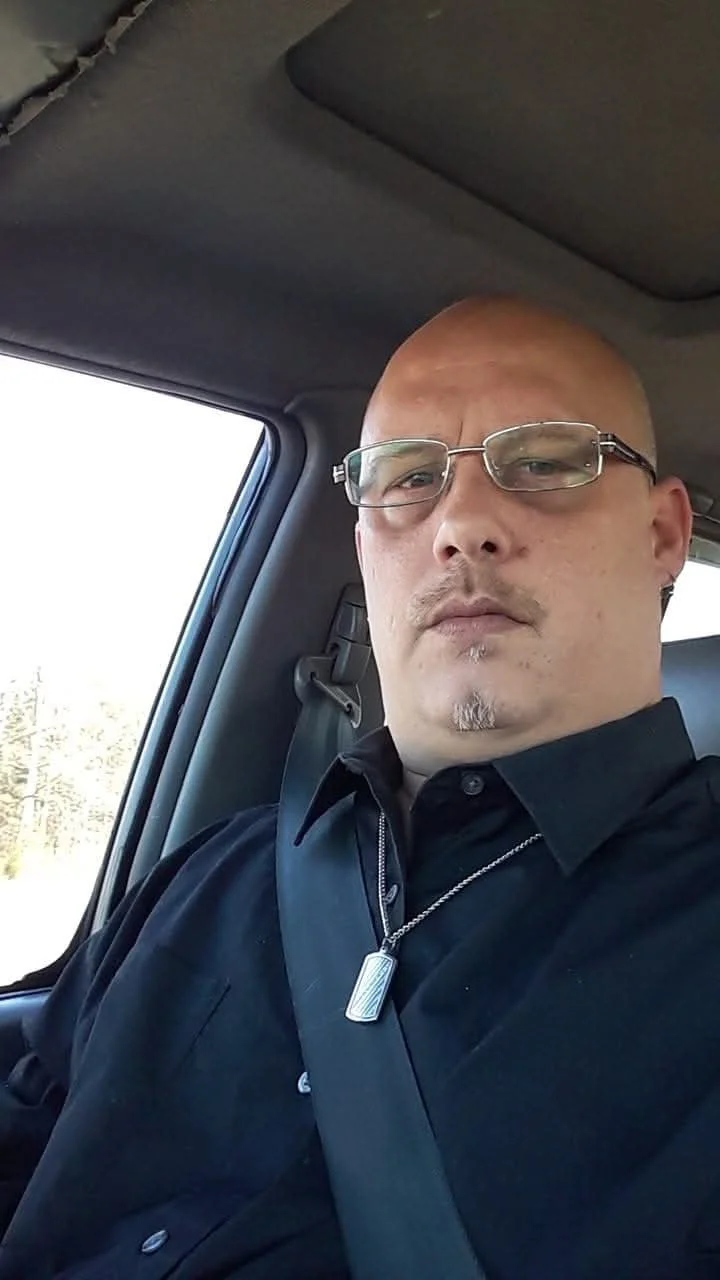
For more than two decades, TJ Holmes has been a steady force behind the scenes—connecting artists, building platforms, and helping shape careers across the independent music landscape. Long before social media made promotion a tap-and-share game, Holmes was on the ground in Memphis, Tennessee, learning the business the old-school way, along with his buisness partner Michelle Upchruch. The two together built Freakshow Entertainment from the ground up, she tackled the online side while TJ handled the in person side.
From Beale Street to the Blueprint
Holmes’ journey began in the early 2000s, around 2002, when he found himself passing out CDs for friends in Memphis. Standing on Beale Street handing out flyers for metal bands, watching strangers light up when they discovered new music, it was a rush he couldn’t ignore.
“It was intoxicating,” Holmes recalls. “Talking to people, putting them on to someone new, seeing their reaction, that’s when I knew this is what I wanted to do.”
But he didn’t jump straight into promoting shows. Instead, he became a student of the game for six or seven years. He sold merchandise, worked security, drove artists to gigs, and observed everything. He studied what worked, and what didn’t. That foundation would become the backbone of his career.
Memphis Made
Born in Nashville but raised in Memphis, Holmes credits his hometown for shaping his approach. Memphis, a city rooted in blues and rich musical diversity, exposed him to multiple genres early on. From the legacy of Three 6 Mafia to artists like Lil Wyte and rock vocalist Josie Scott, the city’s influence was undeniable.
“Memphis gave me opportunity,” he says. “There’s so much talent here. Different genres, different sounds. It taught me how to network across all lanes.”
Growing With the Game
Now 49, Holmes admits his mindset has shifted over time. In his younger years, drama and ego sometimes pulled focus. But maturity changed that.
“The older I got, the less tolerance I had for negativity. It’s about business and positivity now,” he says. “I look harder at talent and professionalism.”
That evolution has been crucial in an industry often fueled by rivalries, especially within the rap scene. One of Holmes’ biggest challenges as a promoter has been managing animosity between artists booked on the same show.
“You don’t always know who has issues with who,” he explains. “Keeping things professional and leaving personal problems outside, that’s one of the hardest parts.”
But Holmes stands firm on one principle: it’s always about the fans. No matter the tension backstage, the audience deserves a drama-free experience.
The Power of Networking
Over the years, Holmes has played a role in pivotal career moments. One standout example is his early support of Upchurch. When Upchurch released his debut album Chicken Willy, Holmes helped book shows and expand his reach into new markets, including Alabama.
Another key networking win came when he connected Marcotic with Lil Wyte for a feature on a Three 6 Mafia tribute track. The collaboration helped elevate Marcotic’s visibility significantly.
Still, Holmes is quick to deflect credit.
“An artist has to want it. They have to work. I can open a door, but they have to walk through it.”
From the Streets to Social Media
When Holmes started, promotion meant boots on the ground—rolling down windows at red lights, handing out flyers, shaking hands face-to-face. Today, digital platforms have transformed the game.
“Now you can reach anyone with a post,” he says. “The platform is bigger. The reach is bigger.”
But while the tools have changed, Holmes believes the fundamentals haven’t: relationships, consistency, and integrity still matter most.
Music With Meaning
Holmes eventually stepped into the studio himself, collaborating with artists like Marcotic and Mark Gorzen. His first collaboration, “Takeover” with Marcotic, was born from personal frustration, a verse fueled by raw emotion.
With Mark Gorzen, whom he met through mutual connections, the chemistry was instant. Songs like “Rumors” came together through phone conversations, shared ideas, and organic creativity.
Yet for Holmes, music isn’t about fame.
“I didn’t do it for money or attention,” he says. “I did it so my kids would have something to remember me by. When I’m gone, they can hear my voice, see my face. That’s forever.”
Staying Relevant After 20 Years
Holmes believes relevance isn’t about chasing trends, it’s about staying active.
“You can’t sit at home and wait for your next event,” he explains. “Go to other people’s shows. Support them. Be in the circle. Have those conversations.”
He’s built his reputation on integrity, conducting business on his word rather than contracts. That consistency has earned him long-term respect from artists across the country.
Throughout his career, he has worked with artists including Jelly Roll, Struggle Jennings, Big Smo, Haystak, and Colt Ford, among many others.
The Real Highlight
When asked about the biggest highlight of his career, Holmes doesn’t point to a single show or deal.
“It’s the relationships,” he says. “Helping shape and mold up-and-coming artists. Passing on knowledge. Being a stepping stone in somebody’s journey.”
For TJ Holmes, success isn’t measured in ticket sales or streaming numbers. It’s measured in impact—in the artists he’s mentored, the doors he’s opened, and the legacy he’s building one connection at a time.
After 20-plus years in the game, one thing is clear: TJ Holmes isn’t just a promoter. He’s a bridge between opportunity and ambition, and Memphis is still proud to call him its own.
Follow Tj Holmes on Facebook
Thomas Holmes (TJ)
