
Marcotic: From Singlewide Roots to Country Rap’s Front Lines
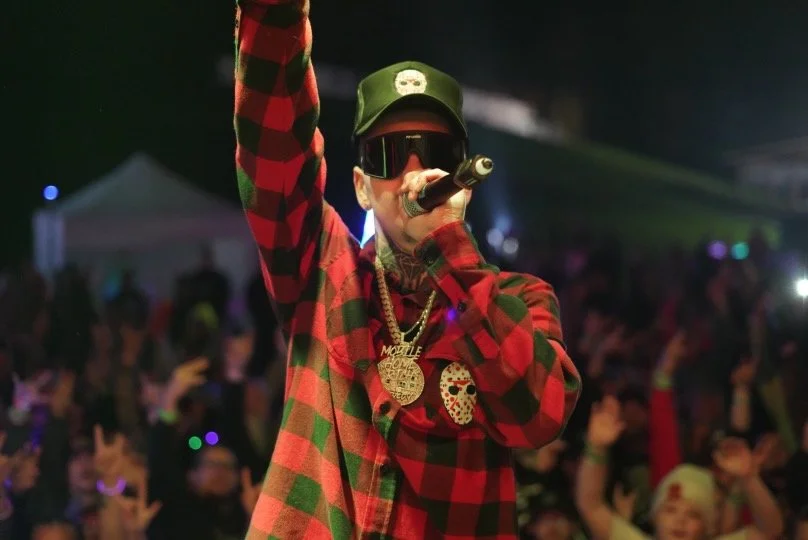
Before the stages, the viral moments, and the Redneck Rave crowds chanting his lyrics, Marcotic was just a kid. Four or five years old, rapping along to songs on the radio. He laughs remembering it. “My cousins used to let me cuss if I’d rap songs,” he says. “Everybody thought it was funny. It made people laugh. It stuck with me.” What started as childhood entertainment slowly turned into a lifestyle. Nearly a decade into his career, Marcotic has built a name in country rap not by chasing trends, but by staying unapologetically rooted in who he is.
Before Country Rap Was “Country Rap”
When Marcotic first started taking music seriously, country rap wasn’t a defined lane. There were no mud park festivals. No massive crossover tours. No established blueprint. He was rapping in Nashville, specifically Antioch. Talking about trailer life while standing in the middle of urban neighborhoods. “Country rap wasn’t a thing yet,” he explains. “I was still talking about my trailer, what I lived. I wasn’t switching it up to fit anything.”
The early years came with hard lessons. He describes the music industry bluntly as “a money gimmick” designed to chew up and spit out up-and-coming artists. There were no big co-signs. No major numbers. No viral moments. Just trial and error.
Consistency, he says, is what separates artists who make it from those who don’t.
“Nobody cares about your excuses,” Marcotic says. “If you lose your job, if you’re broke, if something bad happens, nobody cares. You gotta wake up and make it happen every day.”
“Mobile Home Rich” Is More Than a Slogan
Marcotic’s “Mobile Home Rich” branding isn’t a marketing strategy. It’s autobiography. Growing up in a singlewide trailer completely shaped his identity, and therefore, his music. “I rap about what I live,” he says. “I don’t just make stuff up. I didn’t decide to rap about trailers while living in a house. I lived in one my whole life.”
The good and the bad, the struggles and the pride, it all formed the backbone of his sound. Without that upbringing, he believes his music wouldn’t hit the same.
It’s authenticity that built his audience.
The Viral Turning Point
For years, Marcotic felt like he was spinning his wheels. At one point, he was working construction in Nashville installing fire sprinklers and preparing himself for a life outside of music. Then came the Three 6 Mafia tribute track featuring Lil Wyte. The song went viral on YouTube, and everything shifted.
“I had pretty much given up,” he admits. “When that song went viral, it was like, ‘Oh, I might really get another shot.’”
That moment became his reset button. Instead of laying down the mic for good, he doubled down, and this time, it stuck.
Learning From the Legends
Marcotic’s career includes collaborations with respected names like Rittz and Haystak, each relationship coming together organically. His connection with Rittz began unexpectedly while Marcotic was touring with Blind Fury. A bus driver mentioned Marcotic’s music to Rittz, who later checked him out. The two eventually linked up at Summer of Sins, and the collaboration followed. Marcotic doesn’t hide his admiration.
“Lyrically, I think Rittz is the best rapper in the world,” he says. “Hands down.”
With Haystak, the relationship was more hometown-rooted. Growing up around him allowed Marcotic to absorb wisdom about longevity, business, and survival in the industry. The two even released a charting album together, another milestone in his growing résumé.
He’s also worked with Adam Calhoun and credits much of his business knowledge to Who TF Is JustinTime, founder of the Redneck Rave movement. “Justin built the biggest concert in country rap,” Marcotic says. “I learned a whole lot just being around him, seeing how he moves, how he operates.”
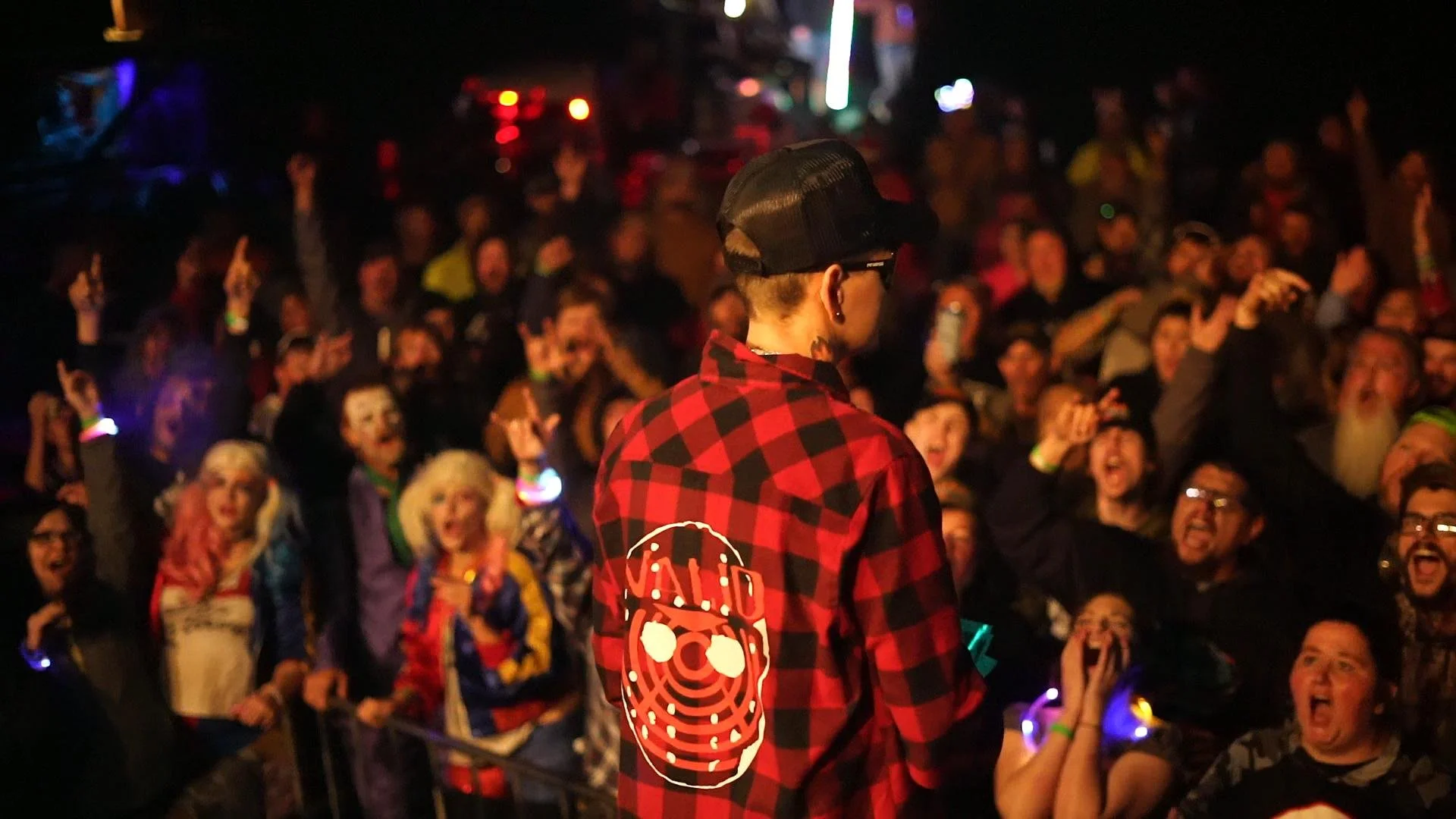
It was at his first mud park event that Marcotic fully embraced country rap. From that point forward, he became a regular fixture at Redneck Raves, building a loyal fan base in the process.
Fixing the Genre
Marcotic has publicly said he wants to “make country rap great again” a phrase he uses as a call to clean up the drama and refocus the culture. “There’s been a lot of drama and bullshit,” he says. “It needs to get bigger. It needs to get back to what it was.”
For him, growth is the solution. The bigger the platform, the stronger the movement.
And he plans to be one of its leading figures.
“I’m gonna be one of the biggest artists in country rap,” he states confidently.
Ownership Over Everything
Unlike many artists chasing major label deals, Marcotic remains cautious. He owns the majority of his catalog and isn’t eager to give it up. “Almost every artist I’ve met who signed regretted it,” he says. “If I ever signed, it’d have to be a crazy deal. Enough to live the rest of my life off of.”
For now, independence equals freedom.
He’s dropping solo records back-to-back, working on projects with Who TF Is JustinTime and JamWayne, and even cooking up another collaboration with Rittz. His numbers, he notes, jumped 300% last year alone.
He’s not chasing specific milestones, just growth.
“As long as every year is bigger than the last, I’m good.”
No Dream Features Left
When asked about dream collaborations, Marcotic shrugs.
“I already did them.”
Now, the focus is solo dominance. Building his brand, expanding Mobile Home Rich merch, and commanding bigger stages.
Five to Ten Years From Now
Marcotic sees larger venues. Bigger bookings. Louder crowds. Whether he remains fully independent or entertains the right offer, one thing is clear: ownership matters. He’d rather build slow and keep control than cash out early and lose his catalog.
In an industry known for smoke and mirrors, Marcotic’s approach is direct—live it, rap it, own it.
From a singlewide trailer to viral charts and mud park stages, his journey proves one thing:
Mobile Home Rich isn’t about where you live.
It’s about how far you’re willing to go.
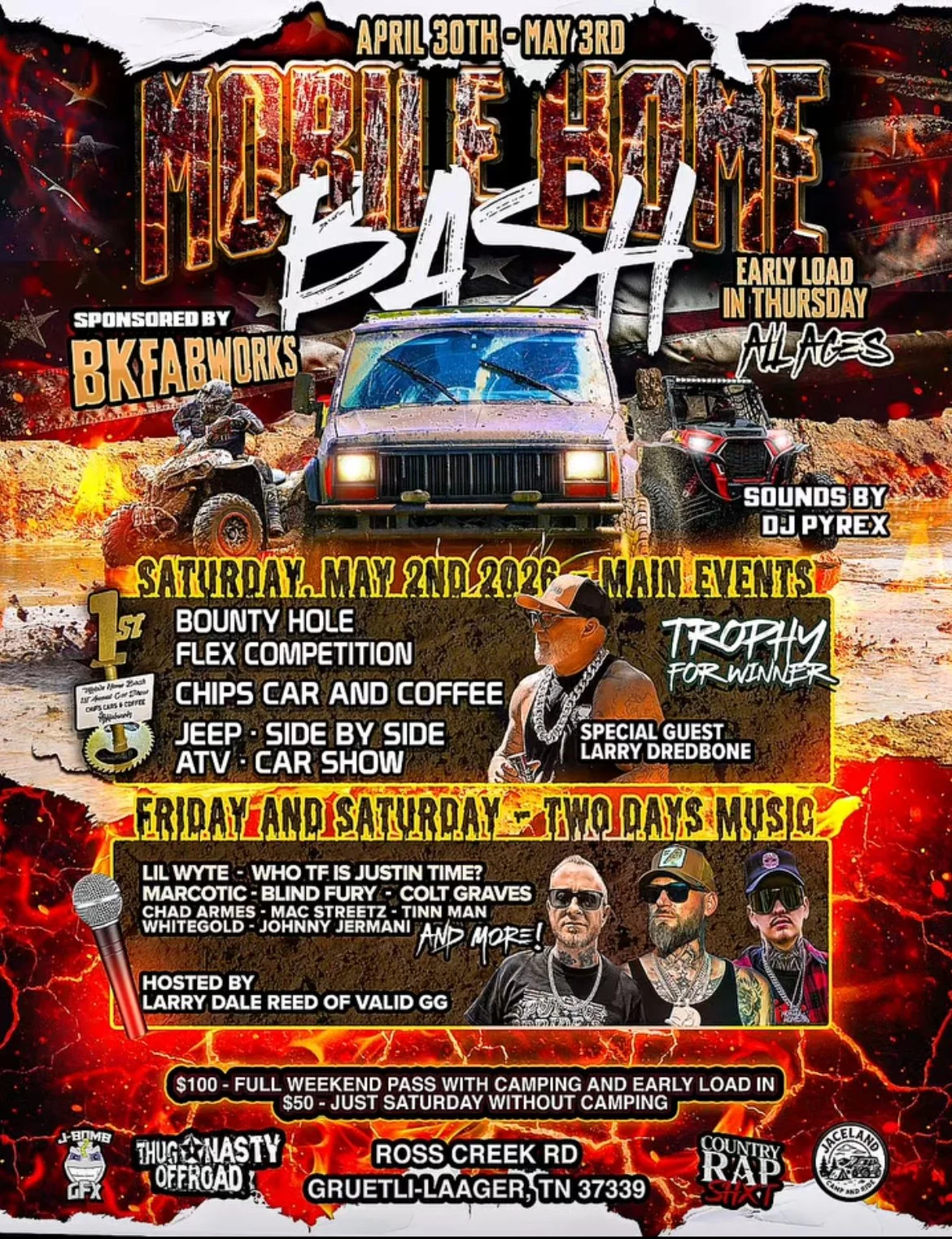
Upcoming Mobile home bash details
Follow Marcotic
Facebook: Marcotic615
Instagram: Marcotic615
YouTube: Marcotic615
Spotify/Apple Music: search Marcotic615
